How Plumbing Leaks Cause Mold Beneath Flooring in Eastlake Homes
A slow supply-line or drain leak under an Eastlake slab feeds mold beneath your flooring for weeks before you see a stain. Here is how it happens and what to do.
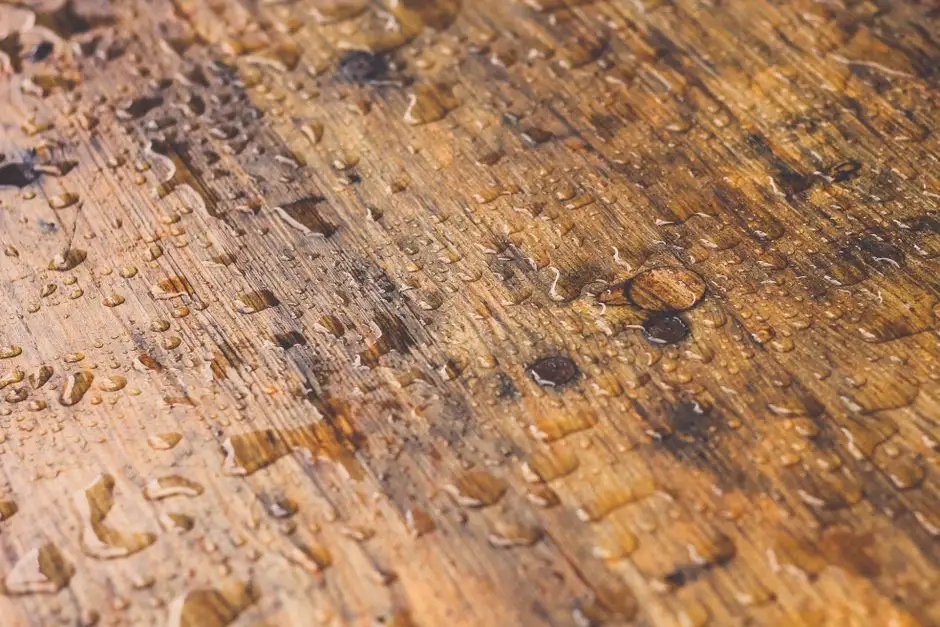
A plumbing leak under the floor of an Eastlake home causes mold beneath the flooring because water from a supply line, drain line, or slab penetration soaks the subfloor and stays there, feeding mold growth in the dark for weeks before you ever see a stain. In most Eastlake houses, the leak itself is small - a pinhole in a copper line, a loose shower drain collar, a slow drip at a toilet flange - but the moisture it leaves behind is enough to grow mold colonies in 24 to 48 hours. This post walks through why Eastlake construction makes the problem worse, how to spot hidden mold under floors in Chula Vista CA, and what subfloor mold cleanup actually involves.
Why Eastlake Slab Construction Traps Leak Moisture Under the Floor
Most Eastlake homes sit on post-tension slab foundations, which means your supply and drain lines run through or under the concrete rather than in a ventilated crawlspace. When a line under the slab leaks, the water has nowhere to drain. It wicks sideways through the concrete and up into the plywood or OSB subfloor, then into the flooring itself.
That is the core difference between an Eastlake leak and the same leak in an older crawlspace home in, say, National City. In a crawlspace, water drips down and air moves it out. On a slab, water sits. The slab stays damp for weeks, and the subfloor - which is basically a sponge - stays damp with it.
Eastlake was built out heavily between the late 1990s and the 2010s, and the original copper supply lines in those homes are now 15 to 25 years old. Copper pinhole leaks are common in that age range across Chula Vista, especially where the water is on the harder side. Polybutylene lines in some of the earliest Eastlake builds fail even earlier.
How Fast Does Mold Grow After a Pipe Leak in Chula Vista?
Mold can start growing under your flooring within 24 to 48 hours of a pipe leak in Chula Vista, and visible colonies typically show up in 5 to 10 days if the subfloor stays wet. The species that thrive in that environment - Aspergillus, Penicillium, Cladosporium, and sometimes Stachybotrys (black mold) - do not need standing water. They need damp material and no light.
Our coastal climate helps them along. Chula Vista averages 60 to 75 percent relative humidity most of the year, and indoor humidity in an Eastlake home with the AC off can sit above 65 percent. Add a wet subfloor and you have a near-perfect growth chamber.
Temperature matters too. Mold grows fastest between 77°F and 86°F. An Eastlake house with the AC set to 78°F in September sits right in that window.
Signs of Hidden Mold Beneath Floors in Chula Vista CA
The signs of hidden mold beneath floors in Chula Vista CA are usually not visible mold - they are changes in the floor itself and in the air you breathe. Watch for these:
- Cupping or crowning hardwood. Edges of individual boards lift or the center of the board rises. This means moisture is coming from below.
- Soft or spongy spots. Walk across the floor in socks. A subfloor that has been wet for weeks loses its structure and gives underfoot.
- Musty smell that will not clear. If the smell is strongest near a bathroom, kitchen, or laundry area, the source is almost always under the floor.
- Discolored grout or tile lippage. Grout darkens from below, and tiles start to rock because the thinset has lost its bond.
- Warped baseboards or a bulge in the wall right above the floor line. Water wicks up.
- Allergy symptoms that get worse at home. Morning congestion, headaches, or coughing that fades when you leave the house is a real signal.
If you have two or more of these and you have had any plumbing work or unexplained water use in the last 60 days, treat it as an active leak until proven otherwise. A Mold Inspection Chula Vista CA with a moisture meter and thermal camera will confirm it in about an hour.
How to Find Mold Under Flooring After a Plumbing Leak in Eastlake
Finding mold under flooring after a plumbing leak in Eastlake starts with finding the leak, not the mold. Mold is the symptom. The leak is the cause, and until the leak is fixed, any cleanup you do will be undone in a matter of weeks.
Step 1: Confirm the leak source
Shut off every fixture in the house and watch the water meter for 15 minutes. If the dial moves, you have a supply-side leak. If it does not, the leak is on the drain side - most often a shower pan, toilet flange, or washing machine drain.
Step 2: Map the moisture
A pin-type moisture meter reads the subfloor through the flooring in most cases. Anything above 16 percent moisture content in wood is elevated; above 20 percent is a mold risk. Thermal imaging shows the cool spots where evaporating water is pulling heat out of the floor.
Step 3: Test the air and the material
Airborne mold testing in Chula Vista tells you what is in the air right now. Surface sampling tells you what is growing on the subfloor. We do both, because a negative air test with a positive surface sample means the colony is still contained - and that changes the remediation plan.
Step 4: Open a small inspection area
If the numbers point to a wet subfloor, we pull one or two boards or lift a tile at the wettest spot. That gives us a direct look at the subfloor and joists without tearing up the whole room.
For homeowners across the neighborhood, we handle Mold Removal in Eastlake with this exact sequence - leak confirmation, moisture mapping, testing, then a scoped remediation plan. If you are in one of the newer tracts, the same process applies to Mold Removal in Eastlake Vistas and the surrounding streets.
Should Flooring Be Removed to Remediate Subfloor Mold?
Yes - in most cases, the affected flooring has to come up to remediate subfloor mold, because you cannot clean a surface you cannot reach. Mold grows on the underside of the flooring, on the subfloor itself, and often on the joists and bottom plate of the wall behind the baseboard.
How much comes up depends on the material:
- Laminate and engineered wood: almost always a full removal in the affected room. These products delaminate once wet and cannot be dried in place.
- Solid hardwood: sometimes salvageable if the leak is caught in the first 72 hours and the boards are dried under controlled conditions. Cupped boards rarely flatten back.
- Tile: tile itself survives; the thinset and grout do not. We pull the tile, remediate the subfloor, then re-set.
- Luxury vinyl plank: usually removed. Water gets under the plank and stays in the seams.
- Carpet and pad: pad always goes. Carpet is replaced in almost every case.
Once the flooring is up, we remove the mold from the subfloor with HEPA vacuuming and physical removal, apply an EPA-registered antimicrobial, and then dry the assembly to a verified moisture content before anything new goes down. That drying step is where most DIY attempts fail. If the subfloor is still at 18 percent when new flooring goes on top, the mold comes back - usually within 30 to 60 days.
Structural drying Chula Vista is its own discipline. We use commercial dehumidifiers and air movers sized to the room, and we do not close the job until the subfloor reads within 2 percentage points of a dry reference sample in an unaffected part of the house.
Common Mistakes Eastlake Homeowners Make After a Leak
The most common mistake we see after a plumbing leak in Eastlake is treating the visible water as the whole problem. Here is what to avoid:
- Drying with a box fan and calling it done. A box fan moves air. It does not pull moisture out of a slab or a subfloor. Without a dehumidifier, you are just redistributing the water.
- Painting or sealing over a stain. Kilz on a subfloor hides the evidence and traps the moisture. The mold keeps growing underneath.
- Replacing flooring before the subfloor is dry. This is the single most expensive mistake. You pay twice.
- Assuming the leak stopped when the water stopped. A slab leak can run for months at a rate too low to show on the floor.
- Skipping the air test. If spores are already airborne, cleanup without HEPA filtration spreads them through the house.
- Waiting for the smell to go away on its own. It will not. Musty odor means active growth.
We also see homeowners who fix the leak, dry the room with rented equipment for two days, and then call us three weeks later when the smell returns. The fix is not complicated - it is just a matter of measuring instead of guessing.
When to Call a Professional
Call a professional when the wet area is larger than about 10 square feet, when the subfloor has been wet for more than 48 hours, when you can see or smell mold, or when the leak is under a slab. Those four conditions put the job past what a shop vac and a fan can handle.
At Chula Vista Mold Guards, we handle the whole sequence in one visit: we find the leak with thermal imaging and moisture meters, we test the air and the subfloor, we remove the affected flooring and remediate the mold, and we dry the assembly until it passes a moisture check. We also handle the repair side - replacing subfloor sections, re-setting tile, and reinstalling flooring - so you are not coordinating three different contractors.
If the leak is still active, we coordinate with a licensed plumber to stop it before remediation begins. There is no point cleaning mold over a line that is still dripping.
Frequently Asked Questions
Can a plumbing leak cause mold beneath flooring in Eastlake?
Yes. A leak of even a few ounces per hour under an Eastlake slab keeps the subfloor above 20 percent moisture content, which is enough for mold to colonize in 24 to 48 hours. Slab construction traps that moisture, so the growth continues long after the drip starts.
How do I know if there is mold under my floor?
Look for cupped or spongy flooring, a musty smell that will not clear, dark grout lines, and allergy symptoms that ease when you leave the house. A moisture meter reading above 16 percent on the subfloor confirms it. Visible mold is a late sign, not an early one.
How quickly can mold grow after a pipe leak in Chula Vista?
Mold can begin growing within 24 to 48 hours after a pipe leak in Chula Vista. Visible colonies usually appear in 5 to 10 days. Our coastal humidity, which runs 60 to 75 percent most of the year, speeds that timeline up compared to drier inland areas.
Should flooring be removed to remediate subfloor mold?
In most cases, yes. Laminate, luxury vinyl, carpet, and wet engineered wood have to come up because mold grows on the underside where you cannot reach it. Solid hardwood and tile are sometimes salvageable if the leak was caught within 72 hours and the subfloor is dried correctly.
How much does subfloor mold cleanup cost in Eastlake?
Typical 2026 pricing for subfloor mold cleanup in Eastlake runs $1,800 to $4,500 for a single room, depending on square footage, whether flooring must be replaced, and whether reconstruction is needed. Testing and inspection usually add $250 to $500. We quote the full scope upfront before any work starts.
Get Help with Mold Removal in Chula Vista
If you have had a plumbing leak in your Eastlake home and the floor feels soft, smells musty, or has started to cup, the mold is already there. We find the leak, remove the mold, dry the subfloor to a verified moisture content, and put the room back together.
Call Chula Vista Mold Guards at (619) 503-9447 to schedule an inspection. We serve Eastlake, Otay Ranch, Rancho Del Rey, and every neighborhood in Chula Vista.